
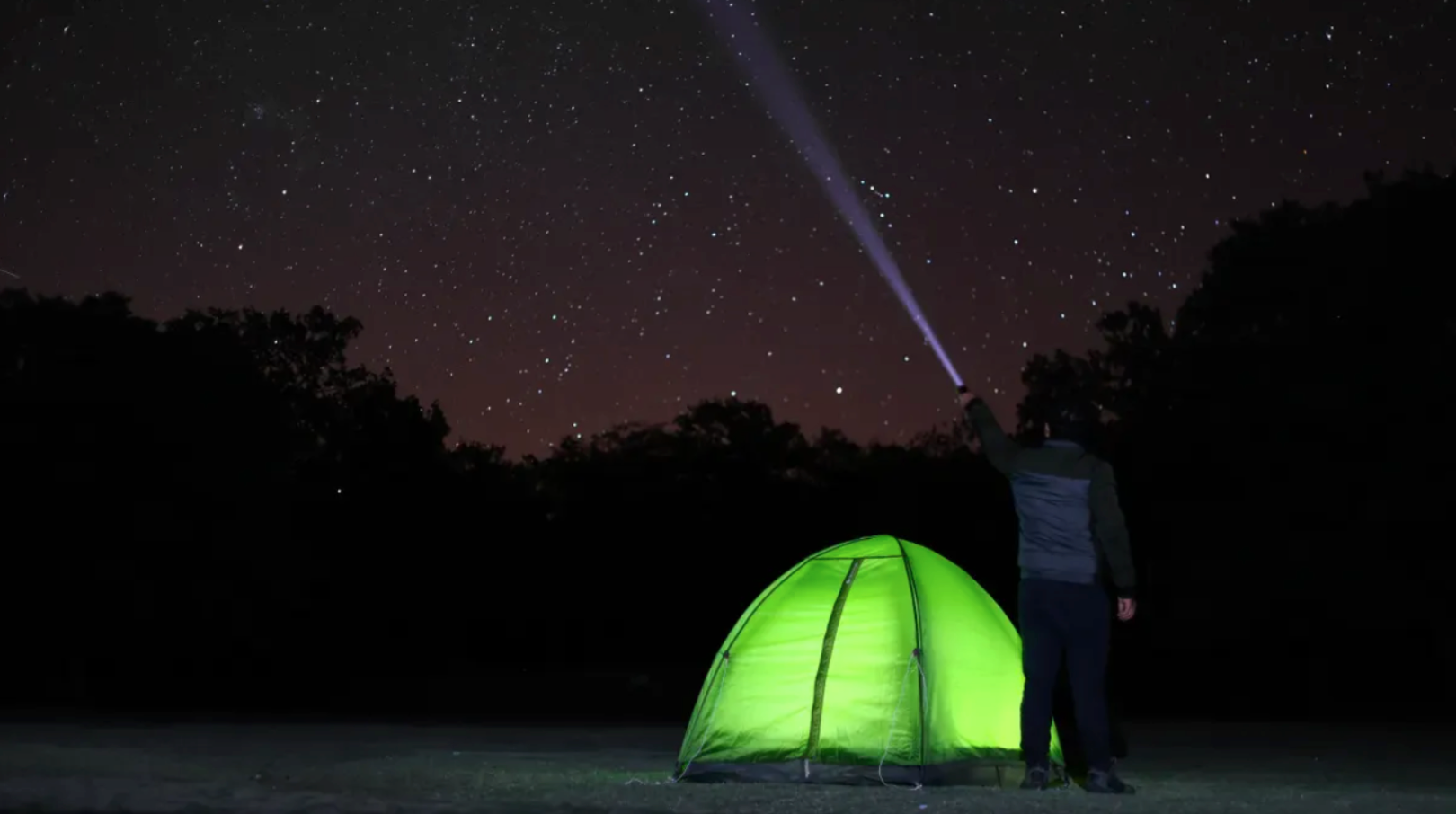
You want the best laser pointer for outdoor use, which means you need one that is exceptionally bright and durable. The ideal choice is easy to spot, featuring true brightness and robust components. Many high-quality options, like Hgyuskl products, utilize aviation aluminum bodies and APC drives. High-power lasers are essential for various outdoor activities, including stargazing and emergency signaling. They are also perfect for camping and wildlife control, making them invaluable for outdoor enthusiasts. Only the best laser pointer for outdoor use can deliver reliable performance when it matters most. If you seek optimal results, choose the best laser pointer for outdoor use that meets your real needs and ensures your safety. Outdoor lasers and survival lasers are designed to excel in extreme conditions, providing the reliability you need in the great outdoors.
Key Takeaways
-
For outdoor visibility, green wavelengths such as 520nm and 532nm usually appear more visible to the human eye than common red wavelengths.
-
Do not choose a laser pointer based only on advertised mW or distance. Higher power also increases safety risks and legal restrictions.
-
Check actual runtime, battery type, charging method, and replaceability instead of assuming a larger battery always means longer use.
-
For outdoor handling, look for clear water- and dust-resistance information rather than vague claims such as “waterproof” or “all-weather.”
-
Check the labeled output power, wavelength, laser class, warning labels, manufacturer information, and safety instructions before buying.
Best Laser Pointer for Outdoor Use: Key Features
Why Outdoor Use Requires Different Buying Priorities
Outdoor environments create different challenges from classrooms or offices. Background light can reduce visibility, cold weather can affect battery performance, moisture can damage poorly sealed electronics, and long sessions may require better runtime.
For this reason, outdoor buyers should focus on wavelength, realistic visibility, battery performance, weather resistance, safe controls, and clear product labeling rather than simply choosing the highest advertised power.
|
Feature |
What Outdoor Buyers Should Check |
|
Wavelength |
Affects perceived visibility and color |
|
Labeled Output Power |
Should match the laser class and intended use |
|
Beam Divergence |
Lower divergence usually helps the beam stay tighter over distance |
|
Battery System |
Check type, capacity, charging method, and real runtime |
|
Housing |
Look for durable construction and clear weather-resistance specifications |
|
Safety Controls |
Check power switch, lock features where applicable, and clear labels |
Top Choices for Outdoor Scenarios
Laser pointers are used for many outdoor activities. Each activity needs something special, but all need good visibility, long runtime, and strong reliability. Let’s look at the best choices for each situation:
-
Astronomy & Stargazing:
Green wavelengths are popular for night-sky pointing because the beam can be highly visible in dark conditions. For ordinary astronomy-style pointing, a properly labeled lower-power model, typically Class 3R / IIIa or below where local laws allow, is usually more appropriate than a high-power product.
The goal is controlled visibility, not maximum brightness. -
Tactical Survival & Camping:
In the wild, you need a laser pointer that works in rain, cold, or heat. Hgyuskl’s aviation aluminum body and waterproof design help you feel safe. You can use your laser for emergency signaling at night, marking spots, or scaring animals away. Reliability is important when you depend on your gear for safety. -
Wildlife Control:
Farmers and property owners use laser pointers to keep birds and animals away from crops and ponds. A strong, visible beam lets you cover big areas without hurting wildlife. You want a device that works every night, with steady reliability and enough runtime to finish the job. -
Lab & Industrial Use:
In labs or job sites, you need a laser pointer that gives steady output and good control. Professional-grade parts, like APC drives and high-quality filters, make sure your device works well during long tests or presentations.
Note: Always pick a laser pointer that fits your main activity. This helps you get the best visibility, runtime, and reliability every night.
When you choose a laser pointer for outdoor use, look for real output, strong build, and professional-grade parts. You want a device that shines bright, lasts long, and keeps you safe, no matter what happens at night.
Brightness: Color and Power

Green vs. Red vs. Blue Lasers
If you want a laser pointer for outside, you need it to be bright and easy to see. Green lasers are the easiest to spot outdoors. Science shows green lasers are much brighter than red ones. Our eyes see green light best, especially at 520–532 nm. This is because our eyes are most sensitive to this color. Green lasers look brighter and clearer than other colors. Red lasers, which are 630–680 nm, are hard to see in sunlight. Blue lasers are bright too, but green is still best for outside.
Green wavelengths are often chosen when visible beam performance matters, especially for responsible astronomy-style pointing and controlled low-light demonstrations.
Professional construction, industrial, or wildlife applications may require different purpose-built equipment and separate safety requirements.
Power Output and Visibility
Higher output power is not automatically better for outdoor use. Excessive power can increase eye-safety risks, legal restrictions, and distraction hazards.
For ordinary pointer-style use, choose the lowest output power that can meet the intended purpose. Products above the common pointer range should not be treated as general outdoor tools.
Legal Power Limits
Laser laws vary by country, state, and local area. Before buying or using an outdoor laser pointer, check the rules for your location and intended use.
In the United States, visible laser products promoted for pointing or demonstration purposes are generally limited to Class IIIa / IEC Class 3R, meaning 5mW or below. Products from 5mW to 500mW fall into Class IIIb / IEC Class 3B and cannot legally be promoted as laser pointers or demonstration products.
Runtime and Battery Life
Battery Types and Efficiency
If you want a good laser pointer for outside, you should know about batteries. Most strong laser pointers use rechargeable lithium-ion batteries. These batteries give steady power and last longer. Some laser pointers use AA or AAA batteries. These do not last as long as lithium-ion batteries. Lithium-ion batteries are better for keeping your laser bright. Always check what kind of battery your laser uses before you buy it.
Maximizing Outdoor Runtime
Outdoor activities need your laser pointer to last a long time. You do not want your laser to stop working during stargazing or when you need help.
Most bright laser pointers work for 60 to 90 minutes on one chargeTips for Longer Use
You can make your laser pointer last longer by using smart habits. Turn off your laser when you are not using it. Keep your batteries clean and dry. Store your laser pointer in a cool place so the battery stays good. If you use your laser for wildlife control or lab work, take breaks to let it cool down. This helps your laser pointer last longer and keeps it working well.
Safety Checklist for Outdoor Use
Essential Safety Features
When you use a laser outside, you need it to be safe and strong. The best laser pointer for outdoor use has special features to protect you and others. These are the most important safety features you should check for:
-
Key switch stops people from using it by accident.
-
Safety interlock dongle gives you more control.
-
Power indicator shows when the laser is on.
-
Aperture shutter blocks the beam when you are not using it.
-
Emission delay (about 2-3 seconds) gives you time before the beam starts.
Lasers stronger than 5 mW must have labels, an emission light, and a key or pin lock. These things help stop accidents and keep everyone safe. Driver design can affect output stability and product reliability, but it does not replace laser safety controls such as proper classification, labeling, beam control, and responsible use. They control how much power goes to the laser diode. This keeps the laser from getting too hot and helps it work well, even outside in tough weather.
Usage Guidelines and Regulations
You need to use your laser pointer safely and follow the rules. Here is a checklist to help you stay safe and follow the law:
-
Do not aim at shiny things to avoid hurting eyes.
-
Only use laser pointers with real labels and safety warnings.
-
Pick the lowest power you need for your job.
-
Do not use homemade or unlabeled laser pointers.
-
Laser pointers should not be treated as toys. Keep them away from children and store them securely when not in use.Never look into the beam or use it with optical tools.
-
Register high-power lasers with the right people if needed.
-
Always know what you are pointing at and what is around you.
-
Follow all local laws and school rules about using lasers.
Remember: Even a short look at a strong laser can hurt your eyes forever. Always use your laser pointer carefully and with respect.
If you follow these safety tips and pick a laser with the right features, you keep yourself and others safe. You also make sure your laser works well and lasts a long time when you use it outside.
Outdoor Laser Pointer Buying Guide
Quick Feature Checklist
If you want a good laser pointer for outside, look for features that help it work better and last longer. Quick Outdoor Buying Checklist
- Wavelength: Compare 520nm and 532nm green options for visibility
- Output Power: Choose the lowest suitable and legally appropriate level
- Laser Class: Check the actual class before buying
- Runtime: Look for stated runtime under clear test conditions
- Battery: Check type, capacity, charging method, and replacement options
- Weather Resistance: Look for a clearly stated IP rating when relevant
- Safety Controls: Check power controls, locks where applicable, and clear labels
- Beam Quality: Compare divergence and stability when specifications are available
- Documentation: Check manufacturer information and user instructions
Tip: Someone on a forum said a thicker barrel makes it easier to hold and use your laser for a long time outside.
You need a good laser pointer for outside. The best laser pointer for outdoor use is not automatically the most powerful model. A better choice combines suitable visibility, realistic runtime, durable construction, clear safety information, and legal suitability.
When comparing Hgyuskl models or any other brand, check the wavelength, labeled output power, laser class, battery system, runtime, weather-resistance information, warning labels, and user instructions before buying. Check the table to see why these things matter:
|
Evidence |
Explanation |
|
High-powered lasers introduce liability |
Being safe helps you avoid legal trouble with strong lasers. |
|
Legal restrictions in multiple countries |
Knowing the rules keeps you from getting fined or punished. |
|
Requirement for safety goggles |
Using safety gear keeps you and others safe from harm. |
|
Negative reviews on safety documentation |
Good safety info helps people make smart and safe choices. |
If you use your laser pointer the right way, you keep everyone safe. Get a reliable Hgyuskl laser for the best outdoor fun.
FAQ
How do I choose the right laser for outdoor use?
You should look for a laser with a bright green beam, strong build, and safety features. These help you get the best performance outside.
Can I use my laser pointer in the rain?
Yes, you can use your laser pointer in the rain if it has a waterproof design. Always check the product details before you go outside.
Can I use an outdoor laser pointer for wildlife control?
Wildlife or bird-deterrent use requires separate legal, safety, and humane-use review. Do not assume a general outdoor laser pointer is appropriate for animal deterrence. Check local wildlife rules, protected-species regulations, and product suitability before considering any laser-based method.
Share:
Rechargeable Laser Pointer Guide: Batteries, Runtime, and Safe Storage
Can a Laser Pointer Damage Eyes or Cameras? Safety Facts for Buyers