
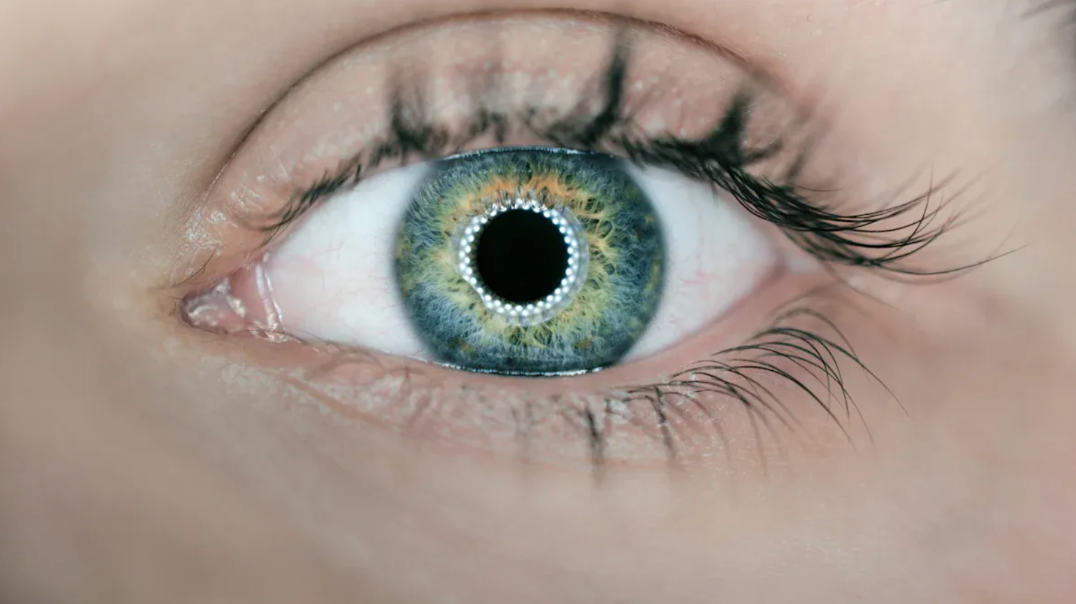
You may wonder, can a laser pointer damage eyes or equipment? The answer is yes—whether it's a Red Laser Pointer, Green Laser Pointer, or Blue Laser Pointers, improper use can be harmful. Safety is crucial. Hgyuskl ensures all our products, including Blue laser pointers, Green Laser Pointer, and Red Laser Pointer models, are built with real specifications and advanced safety features, so you can trust your device in any situation.
Key Takeaways
-
A laser beam can damage the eye, especially when exposure is direct, concentrated, reflected from a mirror-like surface, or viewed through optical instruments.
-
Laser beams can also damage camera image sensors if they enter the lens directly.
-
Lower-power Class 2 or Class 3R products are generally more appropriate for ordinary pointer-style use, but lower power does not make unsafe behavior risk-free.
-
Risk depends on output power, laser class, wavelength, exposure time, distance, beam direction, reflections, and optical equipment.
-
Never point a laser at people, animals, cameras, vehicles, aircraft, roads, or reflective surfaces.
Can a Laser Pointer Damage Eyes?

You might wonder, can a laser pointer damage eyes? The answer is yes. A laser beam can injure the eye, but the level of risk depends on the laser class, output power, wavelength, exposure time, distance, and beam path.
Lower-class visible lasers are generally lower risk when used as intended, while Class 3B and Class 4 laser products can create much more serious hazards from direct or reflected exposure. The risk gets higher if the laser is stronger or used the wrong way. Many people do not know how fast laser pointer damage can happen. You should learn about the effects and what can happen to avoid lasting harm.
How Eye Damage Happens
Laser beams can hurt your eyes in different ways. The main ways are:
|
Mechanism |
Description |
|
Thermal |
Fast heat rise makes proteins break down and cells die. |
|
Photochemical |
Light causes chemical changes that kill cells. |
|
Mechanical |
Short bursts make plasma and steam, which break tissue. |
Why Can Laser Beams Damage the Eyes?
The eye can focus a laser beam onto a very small area of the retina. This concentration of light can make laser exposure more hazardous than ordinary light.
Depending on the laser class, output power, wavelength, exposure time, and beam path, exposure may cause temporary glare, afterimages, blind spots, or more serious retinal injury.
Permanent Eye Injury Risks
Can a laser pointer damage eyes forever? Yes, especially if the laser is very strong. Lasting harm can happen after only a short time. Kids are at higher risk because they might play with lasers. There have been times when children lost vision from accidents with lasers. Class 3B or 4 lasers can be very dangerous and cause bad injuries. Even a quick flash can make someone unable to see for a while, which is risky for pilots or drivers.
You should know that strong laser pointers can cause blindness or vision loss even from far away. The effects of laser exposure can be:
-
Sudden loss of vision
-
Blind spots or dark areas in your sight
-
Blurry or wavy vision
-
Pain or sore eyes
-
Eyes that hurt in bright light
Laser exposure can create glare, afterimages, or temporary visual impairment that may be especially dangerous for pilots and drivers. Never point a laser toward aircraft, vehicles, roads, or transport operators.
Hgyuskl makes every laser pointer with safety in mind. Our products use real specs and high-quality parts for safe use. When comparing Hgyuskl models or any other laser pointer brand, check the actual product information rather than assuming a product is safe because of its brand or intended use.
|
Safety Guideline |
Description |
|
Class 3A Limit |
Only use Class 3A lasers or weaker for most things. |
|
Avoid Eye Contact |
Never point the beam at anyone’s eyes. |
|
Supervision for Children |
Teach kids that lasers are not toys. |
|
Avoid Reflective Surfaces |
Do not shine lasers at mirrors or shiny things. |
|
Use Protective Eyewear |
Wear safety glasses with strong lasers. |
|
Do Not Aim Through Optics |
Never point lasers through binoculars or telescopes. |
|
Disable Constant-On |
Do not leave lasers on and unattended. |
Useful buyer information includes labeled output power, wavelength, laser class, warning labels, safety instructions, manufacturer identification, and local legal suitability.
Laser Pointer Damage to Cameras

Laser pointers can hurt more than just your eyes. They can also damage your camera. Many people do not know that one quick flash from a laser can break a camera sensor forever. This can happen at concerts, protests, or in science labs. If you use a camera for astronomy, watching animals, or work, you need to know how lasers can ruin your gear.
How Camera Sensors Are Damaged
A camera sensor is very sensitive to light. When a laser beam hits it, the sensor can get hurt right away or over time. The risk is higher if the laser is strong or shines for more than a moment. Here is how lasers can damage cameras:
There is no single universal damage threshold that applies to every camera. Sensor type, laser wavelength, beam power, lens aperture, focus, exposure time, and distance can all change the risk.
For buyers, the practical rule is simple: never intentionally point a laser into a camera lens.
If you use your camera where lasers are around, you must be careful. Even a fast flash can make spots or lines that go away. If the laser is strong, these marks can stay forever.
Permanent Damage to Devices
Permanent damage to a camera sensor can cost a lot to fix. Sometimes, it cannot be fixed at all. Many real stories show how fast this can happen. Here are some examples:
|
Possible Camera Effect |
What the User May Notice |
|
Temporary flare or streaking |
Bright lines or glare that disappear after the laser is gone |
|
Persistent hot or colored pixels |
Fixed dots that remain in the same location |
|
Permanent lines or bands |
Horizontal or vertical defects visible in multiple images |
|
Burned or discolored areas |
A persistent patch that appears in every photo or video |
|
Camera malfunction |
Image sensor or related components no longer work correctly |
You may see dark spots, lines, or burned places in your photos after a laser hits. These are Warning Signs After Laser Exposure. Sometimes, the sensor will stop working at all. Fixing a sensor can cost a lot, and some cameras cannot be fixed.
In jobs and labs, you must keep your camera safe from lasers. Many labs and studios use these safety steps:
-
Use blocks to stop lasers from hitting the camera.
-
Keep laser beams on the table to stop stray light.
-
Put cameras in boxes for extra safety.
-
Watch scenes from far away to avoid looking at the laser.
-
Wear safety glasses to protect your eyes.
-
Teach everyone to follow safety rules.
-
Use careful steps to line up lasers and cameras.
If you use Hgyuskl laser pointers for astronomy, outdoor work, or labs, always follow these safety tips. You can stop both short-term and lasting damage to your camera and keep your gear working for a long time.
Factors That Increase Damage Risk
Laser Power and Wavelength
Laser power and wavelength are very important for safety. If you make the laser stronger, the danger area gets bigger. For example, Higher output power generally increases the potential hazard distance, but the relationship is not determined by power alone. Wavelength, beam divergence, exposure time, and optical conditions also matter.
Green lasers may appear more visually distracting because the human eye is highly sensitive to green wavelengths. However, physical injury risk cannot be judged by color alone. Output power, laser class, wavelength, exposure time, beam direction, and reflections are more important factors. Hgyuskl uses real specs and strong parts, like aluminum cases and direct green diodes, to keep you safer.
Distance and Exposure Time
How far you are from the laser matters a lot. The farther away you are, the safer you are. How long you look at the laser is also important. If you look at it longer, the risk goes up. Here is a table:
-
Experts say the risk drops as you move farther away.
-
No pilots have had lasting eye injuries from lasers, even up close.
-
Looking at a laser for a long time makes damage more likely for eyes and cameras.
Device Type and Sensitivity
The kind of device and how sensitive it is can change the risk. Do not assume that a security camera, smartphone, or professional camera is protected from laser exposure. Direct laser light entering a lens may create temporary artifacts or permanent sensor damage depending on the exposure conditions. Stronger lasers can mess up camera sensors and cause dead pixels or sensor problems. The type of sensor matters too.
Different image sensors may respond differently to laser exposure. Damage risk depends on the specific sensor design, camera optics, laser wavelength, power, focus, and exposure conditions, so buyers should not assume one sensor type is automatically safe.
Hgyuskl laser pointers use tough aluminum cases and control the beam spread, which helps lower the risk during long use.
Warning Signs After Eye Exposure
Eye Injury Symptoms
Possible warning signs may include:
-
Blurred or distorted vision
-
A new blind spot or dark area
-
Persistent afterimages
-
Unusual colored spots
-
Eye pain or discomfort
-
Increased sensitivity to light
-
Any noticeable reduction in vision
If any unusual visual symptoms occur after laser exposure, stop using the laser and seek prompt medical evaluation.
Camera Sensor Warning Signs
Permanent damage to a camera sensor can ruin your device. You might see warning signs right after a laser hits it. Sometimes, temporary glare comes first, but permanent problems can show up soon. Look for these issues:
-
Fixed spots or colored dots (purple, pink, red)
-
Horizontal or vertical lines across images
-
Dead zones that stay in every photo
-
Artifacts that never fade
|
Warning Sign |
Description |
|
Dead Pixels |
Tiny dots that stay in all images |
|
Burn-in Spots |
Discolored patches that show up in every picture |
|
Horizontal/Vertical Lines |
Lines from damaged rows or columns of the sensor |
If you see these problems, your camera sensor probably has permanent damage. Temporary glare can go away, but lasting defects mean the sensor is changed. You must protect your camera from lasers to avoid expensive repairs.
Preventing Laser Pointer Damage
Safe Usage Tips
You can stop laser pointer damage by using safe habits. The FDA gives these tips for laser safety:
-
Do not shine a laser in anyone’s eyes.
-
Never point a laser at people, pets, or planes.
-
For ordinary pointer-style use, lower-power Class 2 or Class 3R products are generally more appropriate where local laws allow. Higher-class laser products require stricter controls and should not be treated as casual pointers.
-
Do not judge a laser product by one warning word alone. Check the complete label, including output power, wavelength, laser class, warning information, manufacturer identification, and user instructions.
-
Do not use laser pointers at sports games.
-
Do not shine lasers at shiny things to avoid accidents.
-
Take out batteries when not using the laser to keep kids safe.
-
Use the lowest power you need for your job.
-
Never look at a laser beam through binoculars or a telescope.
Camera sensors are easy to damage with lasers. Do not point lasers at cameras, especially at light shows. Hgyuskl laser pointers have real power and strong parts to help you stay safe and avoid damage. For more tips, check our Laser Safety Guide.
Choosing the Right Laser Pointer
Picking the right laser pointer helps stop damage to eyes and cameras. Use this table to help you choose:
|
Criteria |
Description |
|
Clear Power Output Label |
Look for "< 5mW output" or "Class 3R / IIIa"; Class 2 is safest. |
|
FDA Compliance Statement |
Make sure it follows "21 CFR 1040.10 and 1040.11". |
|
Reputable Supplier |
Buy from brands that test for safety and follow rules. |
When comparing Hgyuskl models or any other brand, review the specific product’s output power, wavelength, laser class, warning labels, safety features, manufacturer information, and available documentation.
Legal and Safety Standards
Laser laws vary by country, state, and local area. Before buying or using a laser pointer, check the rules for your location and intended use.
In the United States, products promoted for pointing or demonstration purposes are generally limited to Class IIIa / IEC Class 3R levels, meaning 5mW or below in the visible range. Products from 5mW to 500mW fall into Class IIIb / IEC Class 3B and cannot legally be promoted as laser pointers or demonstration laser products.
Makers must put the right warning labels on laser pointers. Pick Class 2 lasers for less risk. Some places need you to register your laser pointer for safety. Always check for good labels and tested power. For more info, see Laser Laws and Regulations.
Remember: Following safety rules and buying real products helps you stop permanent damage to eyes and cameras.
Laser exposure can create serious risks for both eyes and camera sensors, but the two types of damage should not be treated as identical.
For eyes, the main concern is direct or reflected exposure that may cause glare, afterimages, retinal injury, or lasting vision changes. For cameras, the main concern is concentrated laser light entering the lens and reaching the image sensor.
The safest approach is simple: never direct a laser toward eyes, people, animals, cameras, vehicles, aircraft, or reflective surfaces. Choose a properly labeled product with clear output power, wavelength, laser class, warning information, and responsible-use instructions.
FAQ
Can a laser pointer damage your eyes instantly?
Yes, a laser pointer can hurt your eyes very fast. It can happen in less than one second. Strong lasers might make you lose your sight or get blind spots. You should never look right at a laser beam.
How do you protect your camera from laser pointer damage?
-
Do not point lasers at camera lenses.
-
Put covers on your camera lens at events.
-
Keep your camera away from places with laser shows.
Share:
Best Laser Pointer for Outdoor Use: Brightness, Runtime, and Safety Checklist
Green Laser for Geese: Does It Work and How to Use It Safely?