
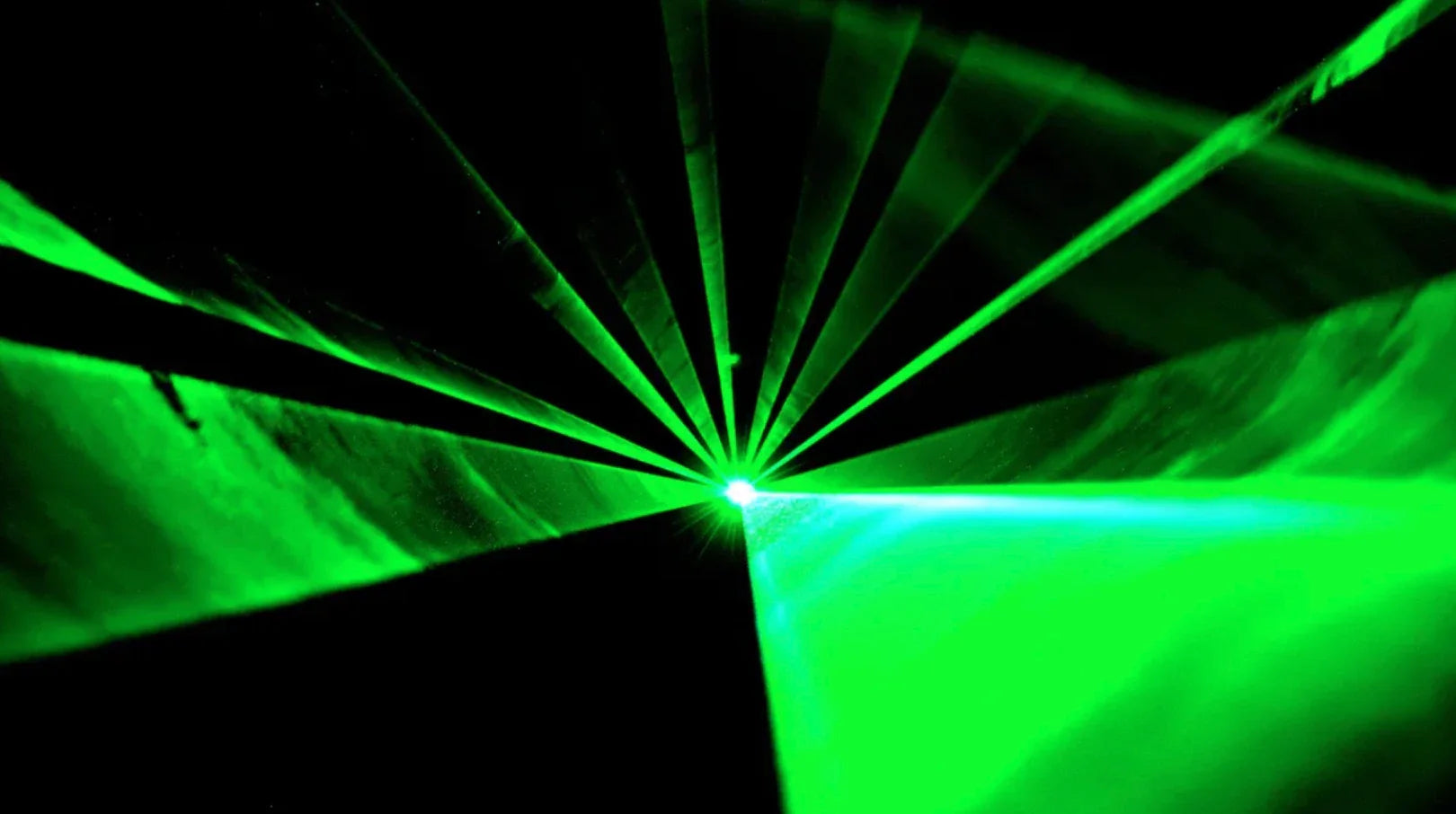
When you see "mW" next to a laser pointer, it stands for "milliwatt," which measures the power output of the device. The laser pointer mW rating is crucial because it measures optical output power and influences visibility, hazard level, and performance, but does not determine brightness or range by itself. For example, a 5mW laser pointer emits 0.005 watts of energy. High-power lasers, especially high-power laser pointers, offer much greater visibility and range, but they also require careful handling due to increased safety risks, particularly for children. Laser pointers above 5mW are often subject to legal restrictions to ensure user safety. Brands like Hgyuskl are known for their commitment to real output and premium materials, delivering reliable performance you can trust. Class 4 laser products laser pointers are considered professional-grade tools and should only be used by experienced individuals who understand the necessary precautions.
Key Takeaways
-
The 'mW' in laser pointers means milliwatt. It shows how much power the laser gives out. More mW makes the beam brighter and go farther.
-
For astronomy-style pointing, the goal is controlled visibility rather than maximum power. A properly labeled lower-power green laser, typically within Class 3R limits where local laws allow, is generally more appropriate than a higher-class product.
-
Know the legal limits for laser power where you live. In the U.S., laser pointers for people must be 5mW or less. This keeps everyone safe.
Understanding Laser Pointer mW and Power Levels
What Does mW Mean?
When you see "mW" on a laser pointer, you might wonder what it means. "mW" stands for "milliwatt." A milliwatt is one-thousandth of a watt. In laser pointers, mW shows how much power the laser gives off. This number tells you the strength of the laser beam. Makers use special tools called laser power meters to check the real output. This helps make sure the label is correct. There are rules for labeling, but not every brand follows them. Hgyuskl uses good materials and true numbers. You get a laser pointer with real power, not fake claims. This means you know exactly how strong your laser pointer is.
Here is a quick look at common power ratings and their typical uses:
|
Power Example |
Approximate Safety Context |
Buyer Meaning |
|
Up to 1mW visible |
Class 2 range |
Lower-risk visible laser, not a toy |
|
Up to 5mW visible |
Class 3R / IIIa |
Common upper pointer range where legally allowed |
|
100mW |
Class 3B |
Higher-risk product; not an ordinary pointer |
|
500mW |
Upper Class 3B boundary |
Significant controls required |
|
1000mW / 1W |
Class 4 |
Serious eye, skin, reflection, and fire hazards |
You can check mW with a laser power meter for steady lasers. For pulsed lasers, you use an energy meter. These tools help you see if the power is real and not just a guess.
How Laser Pointer Power Levels Affect Performance
The power level of a laser pointer changes how it works. More mW means a brighter beam and longer reach. You can see the difference in this table:
|
Question |
What mW Can Tell You |
What mW Cannot Tell You Alone |
|
Output strength |
Yes |
— |
|
Laser class |
Often related |
Exact class can depend on more factors |
|
Perceived brightness |
Influences it |
Wavelength and eye sensitivity also matter |
|
Visible distance |
Influences it |
Divergence, optics and environment also matter |
|
Safety |
Higher power generally increases risk |
Use behavior and exposure conditions still matter |
If you use a laser pointer for talks, you only need 1–5mW. For astronomy, you want at least 5mW to see well in the dark. Bright daylight can make any laser difficult to see. Do not treat higher mW as the automatic solution to poor visibility, because increasing power also increases hazard and legal concerns.
Here is a chart showing the risk levels for different laser classes:
|
Laser Class |
Power Output (mW) |
Risk Level |
|
Class 1 |
< 0.39 |
Safe |
|
Class 2 |
0.39 - 1 |
Safe for brief exposure |
|
Class 3R |
1 - 5 |
Low risk for brief exposure |
|
Class 3B |
5 - 500 |
Direct or mirror-like reflected exposure may create serious eye-injury risk. |
|
Class 4 |
> 500 |
Immediate danger to eyes and skin burns |

You should always think about how much power you need. Picking the right mW keeps you safe and helps your laser work best.
Laser Power and Color Visibility
How well you see a laser pointer depends on mW and color. Our eyes see light between 400 and 700 nanometers. Green lasers, usually at 520 or 532 nm, look much brighter than red lasers with the same power. For example, At equal output power, green wavelengths such as 520nm or 532nm usually appear brighter to the human eye than common red wavelengths. Blue lasers, often at 450 nm, also look bright because our eyes notice them well.
-
Green lasers are the brightest for astronomy and outside.
-
Red lasers usually appear less bright than green at equal power, but safety depends on output power, class, exposure conditions, and use—not color alone.
-
Blue lasers are very bright but need careful use.
You should think about both mW and color when you choose a laser pointer. Hgyuskl uses green diodes and strong parts to make lasers bright and reliable. You get a laser pointer that works well, with true color and power.
Tip: Always check the mW rating and color before you buy a laser pointer. This helps you pick the right one and stay safe.
Now you know how mW, power levels, and color change how a laser pointer works, how safe it is, and how well you can see it. Make smart choices and enjoy using a real, high-quality laser pointer.
Comparing Laser Pointer Power Levels: 5mW, 100mW, 1000mW

Laser Pointer Power Levels Explained
You may wonder why laser pointer power levels are important. The mW rating shows how strong the beam is. It also tells you what you can do safely. If you look at a 5mW laser, a 100mW laser, and a 1000mW laser pointer, you will notice big differences.
-
A 5mW laser pointer is good for presentations and indoor use. You can use it in classrooms or offices with little risk.
-
A 100mW laser pointer is much brighter. It works well for astronomy, outdoor signals, or science demos. You must be careful because the chance of eye injury is higher.
-
A 1000mW laser pointer is very powerful. You can see its beam from far away, even in daylight. Professionals use it for lining things up, aiming, and special outdoor jobs. You must know laser safety rules before using this much power.
Laser pointer mW ratings help you choose the right tool. Always check the label and use the correct laser power for your job.
Brightness, Range, and Safety Comparison
Laser pointer power levels change how far you can see the beam. They also change how bright it looks and how safe it is.
When mW goes up, the laser gets stronger and goes farther. But the risk of hurting your eyes or seeing reflections also goes up. Even a 1mW laser can cause short-term vision problems if you look at the beam. Stronger lasers, like 100mW and 1000mW, can hurt your eyes very quickly.
Here is a quick look at the best mW levels for common uses:
|
Application |
Recommended mW Levels |
Notes |
|
Presentations |
1 to 5 mW |
Safe for classrooms and meetings |
|
Astronomy |
10 to 25 mW |
Up to 50 mW for large groups or clear air |
|
Outdoor use |
1 to 5 mW |
Higher power for special cases |
Tip: Always use the lowest laser pointer mW that works for your job. This keeps everyone safe.
Legal Limits and Safety Guidelines
You need to know the legal limits for laser pointer power in your country. Most places have strict rules to keep people safe from eye injuries and misuse. In the United States, the FDA says laser pointers for consumers must be 5mW or less. Other countries have similar or even stricter rules.
|
Country |
Class |
Power Limit |
|
Australia |
Class 2 |
>1 mW prohibited |
|
United Kingdom |
Class 2 |
<1 mW for general use |
|
United States |
Class II/IIIa |
<5 mW for laser pointers |
If you use a laser pointer above these limits, you could get a fine or other punishment. In some places, like New Zealand and Germany, you need special permission to own or bring in high-power lasers. Never point a laser at aircraft. In the United States, pointing a laser at an aircraft is a federal crime.
Laser safety groups, like the FDA and IEC, give these guidelines:
|
Classification |
Maximum Output Power |
Wavelength Range |
|
FDA Class IIIa |
5 mW |
400 to 710 nm |
|
IEC Class 3R |
Limited to Class IIIa |
Varies |
-
When power goes above 5mW, the risk of hurting eyes or skin rises fast. -
Many laser pointers are not labeled right, so buy from trusted brands.
-
Class IIIa lasers can cause short-term blindness, but the risk is low if you are careful.
Note: Always follow your local laws and laser safety rules. Pick the right laser pointer power for your needs and never point a laser at people, animals, or cars.
Now you know how laser pointer mW, laser power, and legal limits affect your choice. Pick the right tool, use it safely, and enjoy using modern laser technology.
Choosing the Right Laser Pointer Power for Your Needs
Application Scenarios: Astronomy, Outdoor, Wildlife, Lab
You should pick a laser pointer that fits your job. Hgyuskl makes laser pointers for many things. Green lasers work well for astronomy because they are very bright. If you are outside, you need a tough and waterproof laser. For wildlife, you want a long-range beam that is safe for animals. Labs and factories need lasers that are steady and exact.
Selecting Laser Power for Specific Uses
You need to pick the right power for your use. Laser classes help you know what is safe. For talks or teaching, use a laser pointer with 5mW or less. Astronomy and outdoor pointing also work best with green lasers at 5mW or less. For wildlife and lab work, you might need more power, but you must follow safety rules. The table below helps you choose the right power:
|
Use Case |
Recommended Power Level |
|
Presentations & teaching |
≤5mW (green laser) |
|
Pet enrichment |
Low-power, flicker-free |
|
Outdoor alignment & hobbyist |
≤5mW (green laser) |
|
Light-duty professional use |
Proper training required |
Safety tips: Always check your local laws and follow the laser pointer safety guide. Never point a laser at people, animals, or aircraft.
Debunking Laser Power Myths
Some people think stronger lasers are always better. This is not true. Many ads say lasers are stronger than they really are. Some brands say 100mW or more, but the law says handheld laser pointers must be 5mW or less. Sometimes, the way power is measured makes numbers look bigger. Lasers can also lose power if not checked often. You should trust brands like Hgyuskl that use real numbers and good parts. Knowing about laser safety and laser classes keeps you and others safe. Always use a laser pointer guide to help you pick the best one.
Note: Laser classes and power levels are more important than cool ads. Pick a laser pointer you can trust for your needs.
FAQ
What does "mW" mean on a laser pointer?
"mW" stands for milliwatt. It shows the power output of your laser pointer. Higher mW means a stronger and brighter beam.
Is a higher mW laser pointer always better?
Not always. You should pick the lowest mW that fits your needs. Higher mW increases brightness but also raises safety risks.
Share:
Blue Laser Pointer vs Green Laser Pointer: Visibility, Use Cases, and Safety
Rechargeable Laser Pointer Guide: Batteries, Runtime, and Safe Storage